Subscribe to out newsletter today to receive latest news administrate cost effective for tactical data.

Let’s Stay In Touch

Shopping cart

Subtotal $0.00

View cartCheckout

ICSI (Intracytoplasmic sperm injection)

  • Home
  • ICSI (Intracytoplasmic sperm injection)

Intracytoplasmic Sperm Injection (ICSI) – Advanced Fertility Care at Manasi Clinic

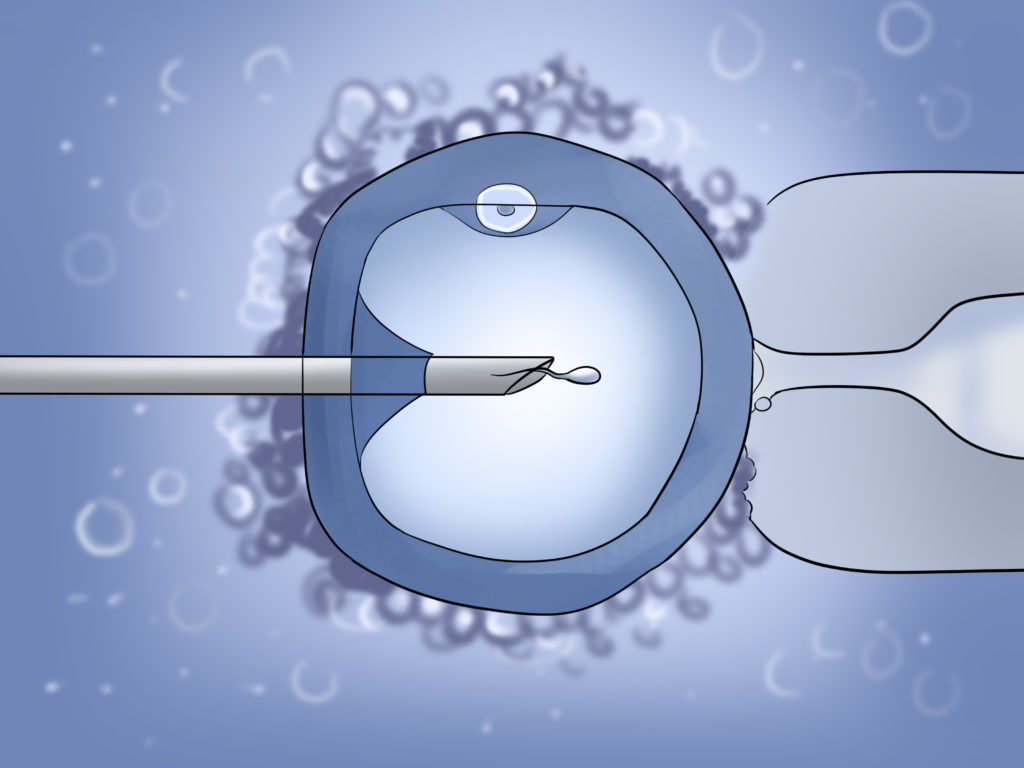
Intracytoplasmic Sperm Injection (ICSI) is one of the most advanced fertility treatments, often recommended when male infertility makes natural conception or standard IVF less effective. The procedure involves directly injecting a single, healthy sperm into a mature egg to achieve fertilization. At Manasi Clinic, ICSI is performed with precision and care to help couples overcome infertility challenges and move closer to parenthood..

What is ICSI?

ICSI is a specialized form of IVF where fertilization is assisted in the laboratory. Instead of allowing sperm to naturally penetrate the egg, an embryologist selects the best sperm and injects it directly into the egg under a microscope. Once fertilized, the embryos are cultured and later transferred into the uterus for implantation.

When is ICSI Recommended?

Low sperm count (Oligozoospermia): Too few sperm in the semen

Poor sperm motility (Asthenozoospermia): Difficulty in sperm movement

Abnormal sperm morphology: Irregular sperm shape reducing chances of fertilization

Azoospermia: Absence of sperm in semen, requiring surgical retrieval

Previous failed IVF attempts: Especially where fertilization was unsuccessful

Genetic or male factor infertility: Conditions that affect sperm quality or function

The ICSI Procedure at Manasi Clinic

Ovarian Stimulation:

Fertility medications are used to stimulate the ovaries to produce multiple eggs.

Egg Retrieval:

Mature eggs are collected through a minor procedure under ultrasound guidance.

Sperm Collection:

A semen sample is collected, or sperm may be surgically retrieved if necessary.

Sperm Injection:

A single sperm is carefully injected into each mature egg.

Embryo Development:

Fertilized eggs are monitored for 2–5 days as they develop into embryos.

Embryo Transfer:

The healthiest embryo is placed into the uterus to maximize the chances of pregnancy.

Pregnancy Confirmation:

A blood test (Beta-hCG) is performed after 10–14 days to confirm pregnancy.

Benefits of ICSI

Overcomes severe male infertility challenges

Ensures higher fertilization success compared to conventional IVF

Allows men with very low sperm count or motility to father a child

Useful in cases requiring sperm retrieval from the testes or epididymis

Considerations and Risks

Genetic risks:

There may be a small chance of passing on genetic infertility issues

Multiple pregnancies:

Can occur if more than one embryo is transferred

Embryo/egg health factors:

Egg and embryo health depend on overall reproductive factors

Surgical retrieval:

May be required in azoospermia cases

Conclusion

ICSI is a breakthrough treatment that offers hope to couples struggling with male infertility. At Manasi Clinic, we combine advanced reproductive technology with compassionate care to improve the chances of successful fertilization and pregnancy. Every treatment is personalized to the couple’s unique circumstances, ensuring the best possible outcomes.