Subscribe to out newsletter today to receive latest news administrate cost effective for tactical data.
2478 Street City Ohio 90255
Monday - Tuesday:9am - 6pm
Friday - Sunday:8am - 5pm
Sunday: Closed
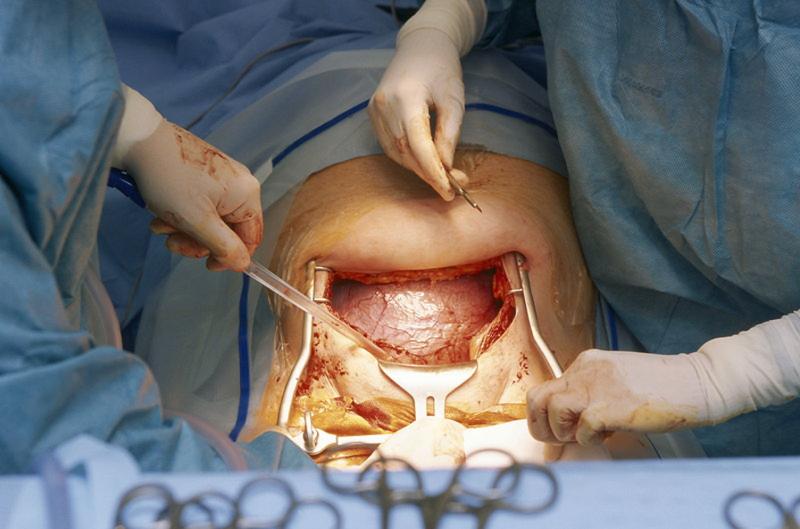
A Cesarean Section is a surgical procedure in which the baby is delivered through an incision made in the mother’s abdominal wall and uterus. It is performed when vaginal delivery would pose a risk to the mother or the baby.
1. Indications
Maternal Indications:
• Cephalopelvic disproportion (narrow pelvis)
• Previous cesarean section or uterine surgery
• Obstructed labor or failed induction
• Medical conditions such as hypertension, pre-eclampsia, or heart disease
Fetal Indications:
• Fetal distress or abnormal fetal heart rate
• Malpresentations (breech, transverse lie)
• Multiple pregnancy (twins/triplets)
• Cord prolapse or placental abnormalities (placenta previa, placental abruption)
2. Procedure (Basic Steps)
1. Preparation: Informed consent, pre-operative investigations, and anesthesia (usually spinal).
2. Incision: A horizontal (Pfannenstiel) incision is made on the lower abdomen.
3. Opening the Uterus: The uterus is cut open in the lower segment.
4. Delivery of Baby: The baby is gently delivered, and the umbilical cord is clamped and cut.
5. Delivery of Placenta: The placenta and membranes are removed.
6. Closure: The uterus, abdominal layers, and skin are sutured in layers.
3. Postoperative Care
• Monitor vital signs, bleeding, and uterine contraction.
• Maintain IV fluids and start oral feeding once bowel sounds return.
• Provide pain relief and antibiotics as prescribed.
• Encourage early ambulation to prevent blood clots.
• Promote breastfeeding and support emotional bonding.
• Observe the incision site for signs of infection or discharge.
4. Complications
Maternal:
• Hemorrhage or infection
• Wound complications (hematoma, dehiscence)
• Thrombophlebitis (blood clots)
• Delayed recovery or anesthetic complications
Fetal:
• Respiratory distress
• Accidental injury during surgery
Conclusion
Cesarean section is a life-saving surgical procedure for both mother and baby when vaginal delivery is not safe. Proper indication assessment, skilled surgical technique, and careful postoperative care help reduce complications and ensure a healthy recovery.