Subscribe to out newsletter today to receive latest news administrate cost effective for tactical data.
2478 Street City Ohio 90255
Monday - Tuesday:9am - 6pm
Friday - Sunday:8am - 5pm
Sunday: Closed
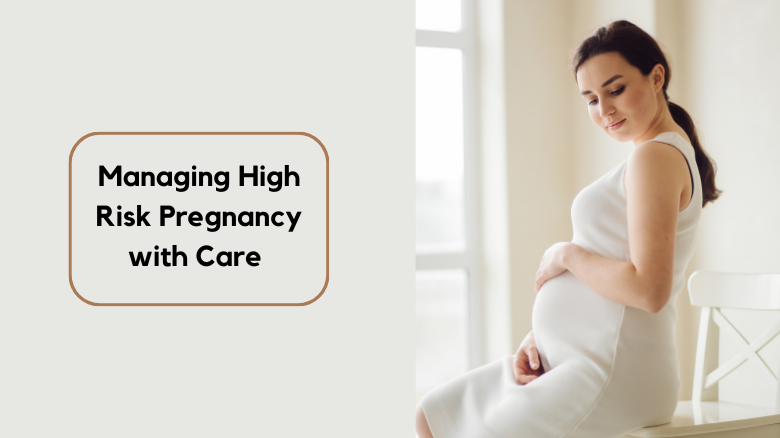
A high-risk pregnancy is one in which the mother, fetus, or both are at an increased risk of complications during pregnancy, labor, or after delivery. Proper identification and management are essential to ensure the safety of both mother and baby. Common high-risk conditions include pre-eclampsia, gestational diabetes, anemia, hypertension, multiple pregnancy, and placenta previa.
Pre-eclampsia is characterized by high blood pressure and protein in the urine after 20 weeks of pregnancy. It is managed through regular blood pressure monitoring, urine tests, rest, antihypertensive drugs, and timely delivery if necessary.
Gestational diabetes involves high blood sugar levels during pregnancy and is managed through dietary control, blood sugar monitoring, and insulin therapy when required.
Anemia is common in pregnancy due to increased iron demand and is treated with iron and folic acid supplementation, along with a nutritious diet rich in green vegetables and protein.
Management of high-risk pregnancies includes early detection, regular antenatal check-ups, appropriate investigations, and individualized care plans. Women should be educated about warning signs such as severe headache, swelling, blurred vision, or reduced fetal movement. Hospital delivery with skilled personnel and facilities for emergency intervention ensures better outcomes.
In summary, high-risk pregnancy management focuses on preventive care, close monitoring, and timely treatment to reduce maternal and fetal complications.