Subscribe to out newsletter today to receive latest news administrate cost effective for tactical data.

Let’s Stay In Touch

Shopping cart

Subtotal $0.00

View cartCheckout

Rh Incompatibility & Immunization in Pregnancy

  • Home
  • Rh Incompatibility & Immunization in Pregnancy

Rh Incompatibility & Immunization in Pregnancy

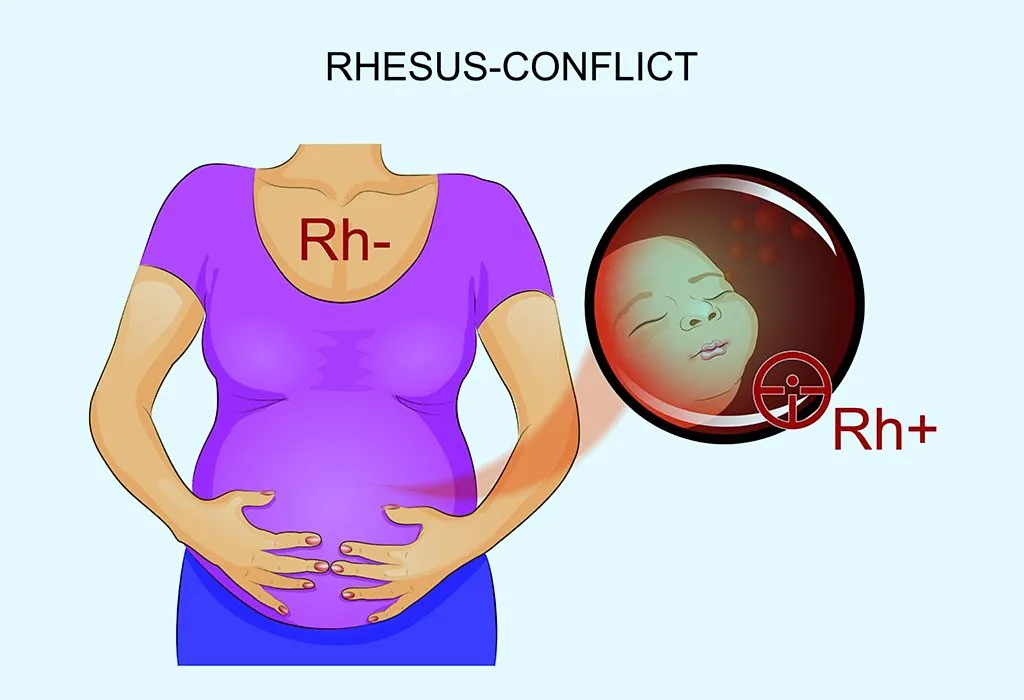
Rh incompatibility occurs when an Rh-negative mother carries an Rh-positive fetus, inherited from an Rh-positive father. The mother’s immune system may produce antibodies against fetal red blood cells, leading to hemolytic disease of the newborn (HDN) in subsequent pregnancies. Proper screening and timely anti-D immunization can effectively prevent this condition.

 
1. Screening
Routine screening during early pregnancy helps identify at-risk women.
• Blood group and Rh typing should be done for all pregnant women.
• Indirect Coombs Test (ICT):
o Detects Rh antibodies in maternal blood.
o A negative ICT means no sensitization has occurred.
o A positive ICT indicates maternal sensitization and requires close monitoring.
• Fetal monitoring by ultrasound or Doppler to detect signs of fetal anemia or hydrops fetalis if sensitization is confirmed.

2. Anti-D Prophylaxis
Anti-D immunoglobulin (RhIg) prevents the mother’s immune system from forming antibodies against Rh-positive cells.
Indications for Anti-D Administration:
• At 28 weeks of gestation routinely for all Rh-negative, unsensitized mothers.
• Within 72 hours after delivery of an Rh-positive baby.
• After any sensitizing event, such as:
o Abortion or ectopic pregnancy
o Amniocentesis or chorionic villus sampling
o Antepartum hemorrhage
o External cephalic version
o Abdominal trauma
Dosage:
• Typically 300 µg (1500 IU) of anti-D intramuscularly.

3. Prevention of Hemolytic Disease of the Newborn (HDN)
Prevention focuses on early detection and timely immunization.
• Ensure Rh typing and ICT testing in every pregnancy.
• Administer anti-D immunoglobulin as per protocol to prevent maternal sensitization.
• Monitor sensitized pregnancies with serial antibody titers and fetal surveillance.
• Intrauterine transfusion or early delivery may be needed in severe fetal anemia.

Conclusion
Routine screening and timely anti-D prophylaxis are key measures to prevent Rh incompatibility and protect the newborn from hemolytic disease. Proper immunization protocols have made this once serious condition almost completely preventable.