Subscribe to out newsletter today to receive latest news administrate cost effective for tactical data.
2478 Street City Ohio 90255
Monday - Tuesday:9am - 6pm
Friday - Sunday:8am - 5pm
Sunday: Closed
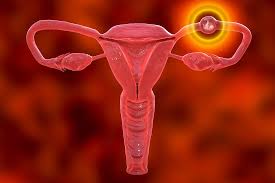
An Ectopic Pregnancy occurs when a fertilized ovum implants outside the uterine cavity, most commonly in the fallopian tube. It is a potentially life-threatening condition and requires early diagnosis and prompt management to prevent complications.
1. Diagnosis
• History and Symptoms: Amenorrhea, lower abdominal pain, and vaginal bleeding.
• Physical Examination: Tender adnexal mass, cervical motion tenderness, or signs of internal bleeding (shock, pallor).
• Investigations:
o Urine or serum β-hCG test (positive but lower than expected for gestational age).
o Transvaginal ultrasound showing absence of intrauterine gestational sac.
o Culdocentesis or laparoscopy may confirm diagnosis in doubtful cases.
2. Management
Medical Management:
• Indicated in early, unruptured cases with stable vital signs.
• Methotrexate (a cytotoxic drug) is used to stop the growth of trophoblastic tissue.
• Regular monitoring of β-hCG levels until they return to normal.
Surgical Management:
• Indicated for ruptured ectopic pregnancy or failed medical treatment.
• Laparoscopic salpingostomy or salpingectomy (removal of affected tube) is performed.
• Blood transfusion and fluid replacement may be necessary in cases of hemorrhage.
3. Prevention Strategies
• Early treatment of pelvic inflammatory disease (PID) and sexually transmitted infections (STIs).
• Avoidance of unnecessary tubal surgeries or abortions.
• Use of safe contraception to prevent unwanted pregnancy.
• Regular antenatal check-ups for early detection of abnormal pregnancy.
Conclusion
Ectopic pregnancy is a medical emergency that requires early recognition and appropriate management. Prompt diagnosis, timely intervention, and preventive measures can significantly reduce maternal morbidity and mortality.