Subscribe to out newsletter today to receive latest news administrate cost effective for tactical data.
2478 Street City Ohio 90255
Monday - Tuesday:9am - 6pm
Friday - Sunday:8am - 5pm
Sunday: Closed
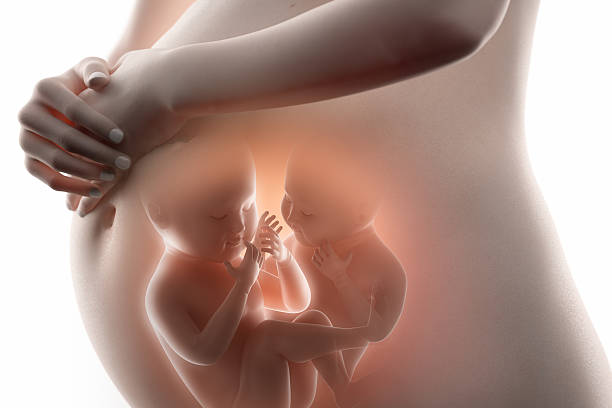
A multiple pregnancy occurs when more than one fetus develops simultaneously in the uterus. It can be dizygotic (fraternal) or monozygotic (identical). Such pregnancies are considered high-risk and require specialized care during the antenatal and intrapartum periods.
2. Delivery Planning
Delivery should be planned carefully depending on fetal presentation and maternal condition.
• Hospital delivery with facilities for emergency cesarean section and neonatal care.
• Vaginal delivery may be possible if both fetuses are in cephalic presentation.
• Cesarean section is preferred in cases of abnormal presentation, fetal distress, or triplets.
• Continuous fetal monitoring during labor for early detection of distress.
3. Complication Management
Multiple pregnancies are prone to several complications that must be anticipated and managed promptly.
• Preterm labor and low birth weight are common.
• Twin-to-twin transfusion syndrome (TTTS) in monochorionic twins.
• Postpartum hemorrhage (PPH) due to uterine overdistension.
• Anemia and nutritional deficiencies in the mother.
• Increased perinatal mortality requiring NICU care for newborns.
Conclusion
Multiple pregnancy requires vigilant antenatal supervision, well-planned delivery, and comprehensive neonatal care to ensure the safety of both mother and babies.