Subscribe to out newsletter today to receive latest news administrate cost effective for tactical data.
2478 Street City Ohio 90255
Monday - Tuesday:9am - 6pm
Friday - Sunday:8am - 5pm
Sunday: Closed
Postpartum Hemorrhage (PPH) is defined as blood loss of more than 500 mL after vaginal delivery or more than 1000 mL after cesarean section. It is one of the leading causes of maternal mortality worldwide and requires prompt recognition and management.
1. Prevention
Preventive measures are essential to reduce the risk of excessive bleeding after childbirth.
• Identify high-risk cases (e.g., multiple pregnancy, polyhydramnios, anemia).
• Ensure good antenatal care with correction of anemia.
• Avoid prolonged or obstructed labor.
• Avoid routine episiotomy unless indicated.
• Active management of the third stage of labor (AMTSL) to prevent atonic PPH.
2. Active Management of the Third Stage of Labor (AMTSL)
Active management is the most effective strategy to prevent PPH. It involves:
• Administration of a uterotonic drug:
o Inject Oxytocin 10 IU IM immediately after the delivery of the baby.
• Controlled cord traction (CCT):
o Gentle traction on the umbilical cord while supporting the uterus to deliver the placenta.
• Uterine massage:
o Massage the uterus through the abdomen after placenta delivery to ensure it is firm and contracted.
These steps significantly reduce the incidence of atonic PPH.
3. Treatment
Management depends on the cause of bleeding, commonly remembered by the “4 Ts” — Tone, Tissue, Trauma, Thrombin.
Immediate Management:
• Call for help and start resuscitation.
• Monitor vital signs and insert large-bore IV cannulas.
• Administer oxygen and start IV fluids/blood transfusion as needed.
Specific Management:
• Tone (Uterine atony):
o Massage uterus and give uterotonics (Oxytocin, Ergometrine, Misoprostol, or Carboprost).
• Tissue (Retained placenta or membranes):
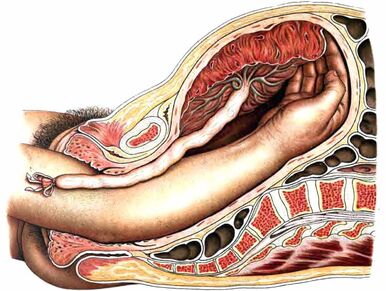
o Remove manually under anesthesia if needed.
• Trauma (Cervical/vaginal tears):
o Inspect and repair promptly.
• Thrombin (Coagulation disorders):
o Correct with blood products and appropriate medications.
Surgical Options (if bleeding persists):**
• Uterine balloon tamponade
• Uterine artery ligation or compression sutures (B-Lynch)
• Hysterectomy as a life-saving measure
Conclusion
Early identification, preventive care, and rapid management are key to saving lives in PPH cases. Every delivery should be managed with readiness to act against this emergency.